Networking Fridays
Bio-GO-SHIP: Expanding biological ocean observations for plankton ecosystem science and monitoring to the global scale
Date
December 9, 2022, 1:00 PM - 2:00 PM UTC
AIR Centre Networking Fridays
More information about the Webinar series here
On December 9th, 2022, 1-2 PM UTC we will have the Marine Biodiversity Networking Friday on Bio-GO-SHIP: Expanding biological ocean observations for plankton ecosystem science and monitoring to the global scale
Global-scale Ocean observing programs such as JGOFS, WOCE, and GO-SHIP have been operational since the late 1970s and have provided invaluable insights into changes in ocean heat content, oxygen loss, ventilation, and penetration of anthropogenic carbon. However, there has been no such global-scale monitoring of the upper ocean plankton community and metabolism, which are fundamental in driving important biogeochemical cycles.
arrow_back
All Sessions
- Bio-GO-SHIP aims to establish consistent global observations of plankton communities and their biogeochemical role in upper ocean processes with the following objectives:
- Use established sensors and mature technologies that can be deployed operationally and provide robust, high-quality data.
- Leverage concurrent physical and chemical observations.
- Build large datasets to track and quantify climate change impacts on the upper ocean ecosystem and metabolism.
- Provide a platform for testing and deploying new observing technologies and sensors.
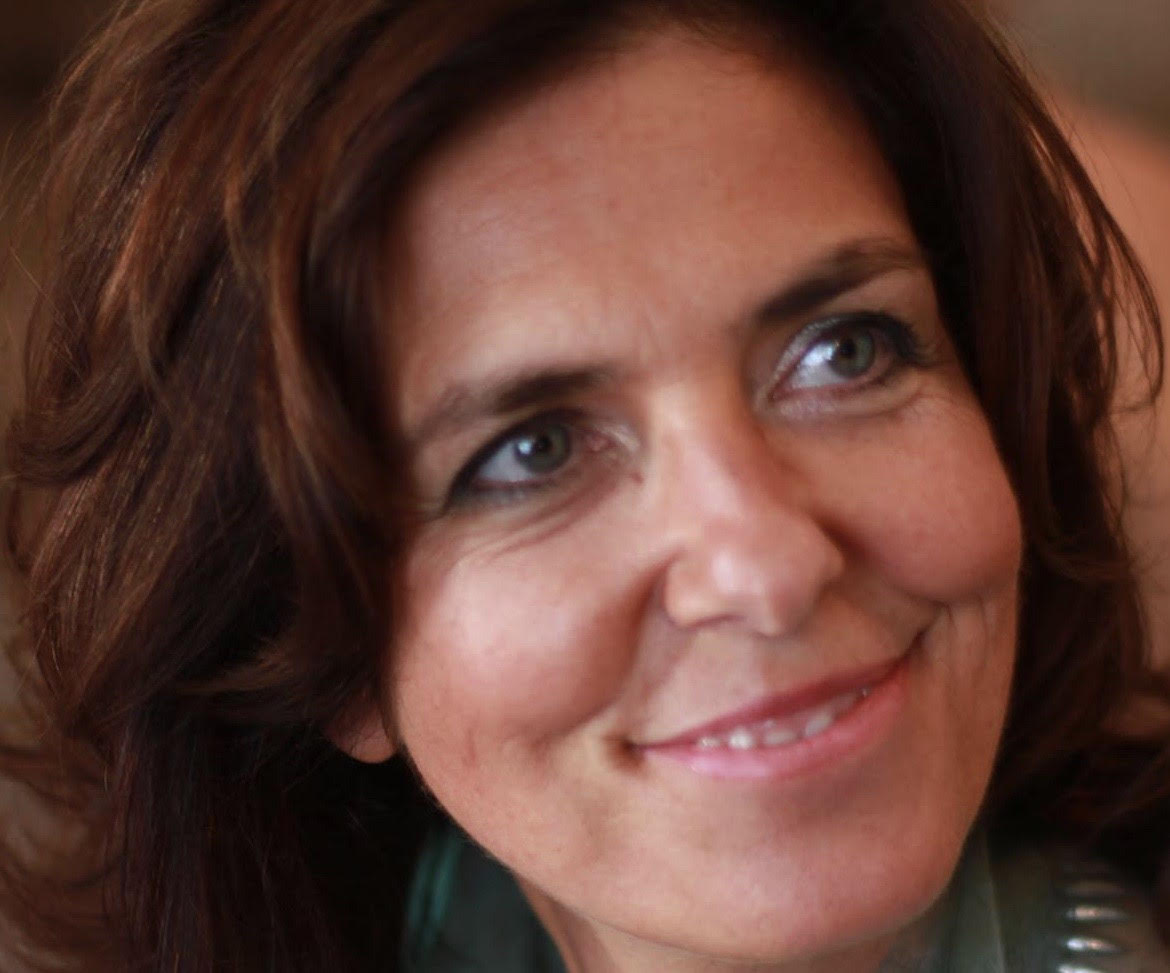
- 1:00 PM - Welcome remarks, Maria Grigoratou (Science Officer, Mercator Ocean International, EU Office, G7 FSOI Coordination Centre)
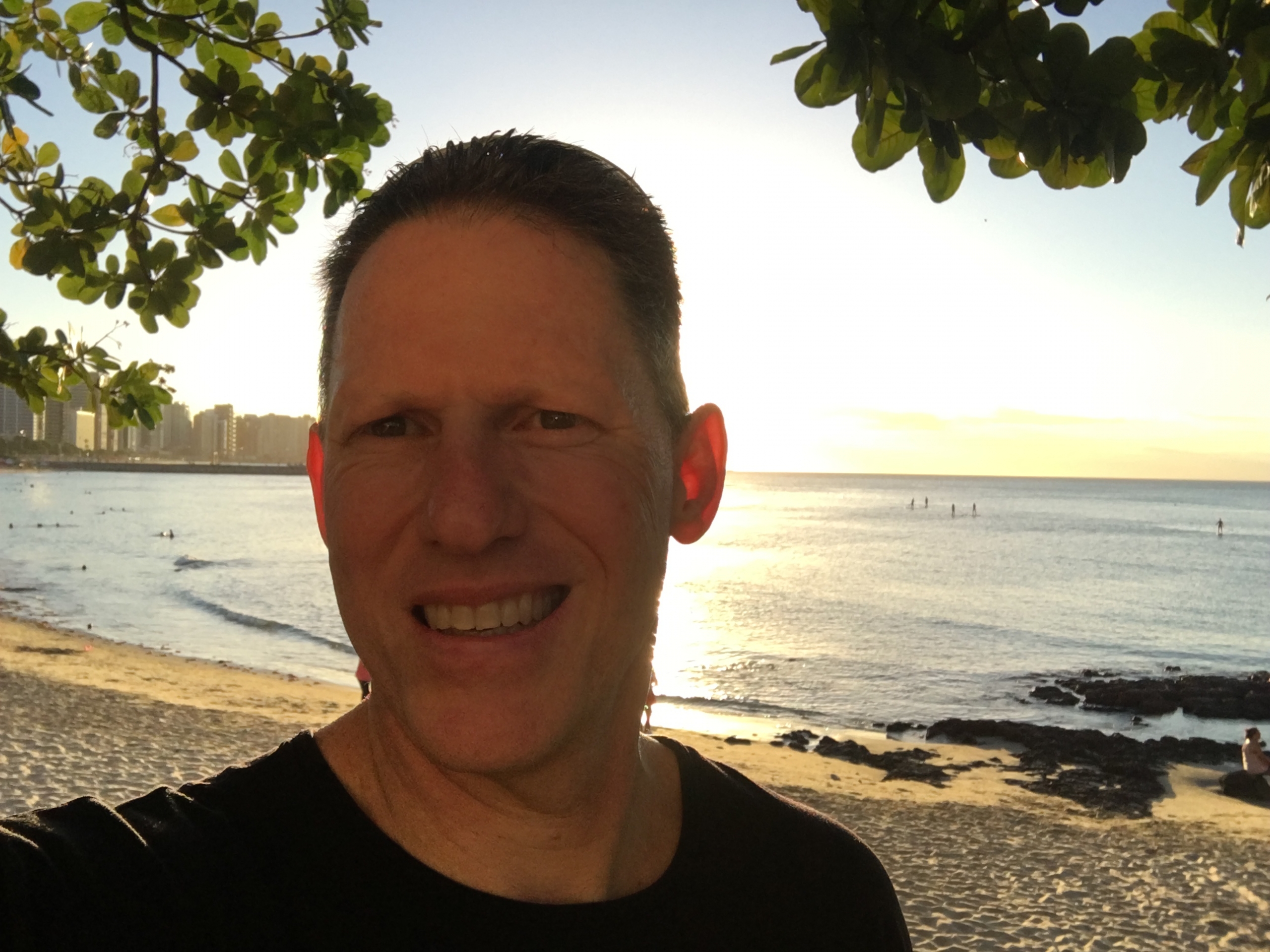
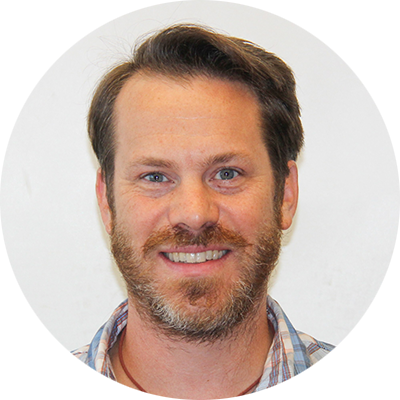
- 1:05 PM - Luke Thompson (Associate Research Professor at Northern Gulf Institute, Mississippi State University / AOML / NOAA)
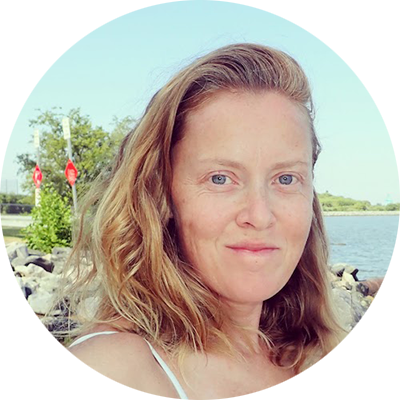
- 1:25 PM - Sophie Clayton (Assistant Professor of Oceanography, Old Dominion University)
- 1:45 PM - Q&A, moderated by Maria Grigoratou
- 2:00 AM - Closing
Relevant Link:
This is an Ocean Decade Event.
Speakers
Luke Thompson
Bio-GO-SHIP: Expanding biological ocean observations for plankton ecosystems science and monitoring to the global scale Luke Thompson is an Associate Research Professor at the Northern Gulf Institute (NGI) at Mississippi State University and NOAA's Atlantic Oceanographic and Meteorological Laboratory (AOML) in Miami. Luke received his bachelor's degree from Stanford University and his PhD from MIT, both in biology. His current research focuses on marine systems, from microbes to fish to mammals, using 'omics methods, especially DNA sequencing. His lab is developing methods to facilitate high-throughput environmental DNA sample processing and data analysis and applying them to monitoring and conservation efforts in the Atlantic Ocean, the Gulf of Mexico, and the Great Lakes..
Sophie Clayton
Bio-GO-SHIP: Expanding biological ocean observations for plankton ecosystems science and monitoring to the global scale Sophie Clayton is an Assistant Professor of Oceanography at Old Dominion University. Sophie received her bachelor’s degree in Ocean Sciences from Bangor University in the UK, followed by a PhD in Physical Oceanography from the MIT/WHOI Joint Program in the USA. Her research focuses on observing and understanding fine-scale variability in phytoplankton populations, their interaction with physical features, and how they ultimately influence large-scale ecological and biogeochemical patterns and processes. Her lab is developing methods to improve the automated identification of phytoplankton from high throughput imaging instruments, as well as studies analyzing large environmental and ecological data sets to better understand physical-biological interactions in regions such as the Mid-Atlantic Bight, the California Current and the Kuroshio Extension.Moderator