Tackling observation challenges in the Atlantic: the case of small satellite constellations

Tackling observation challenges in the Atlantic: the case of small satellite constellations

Date February 10, 2020
Workshop
Share this entry
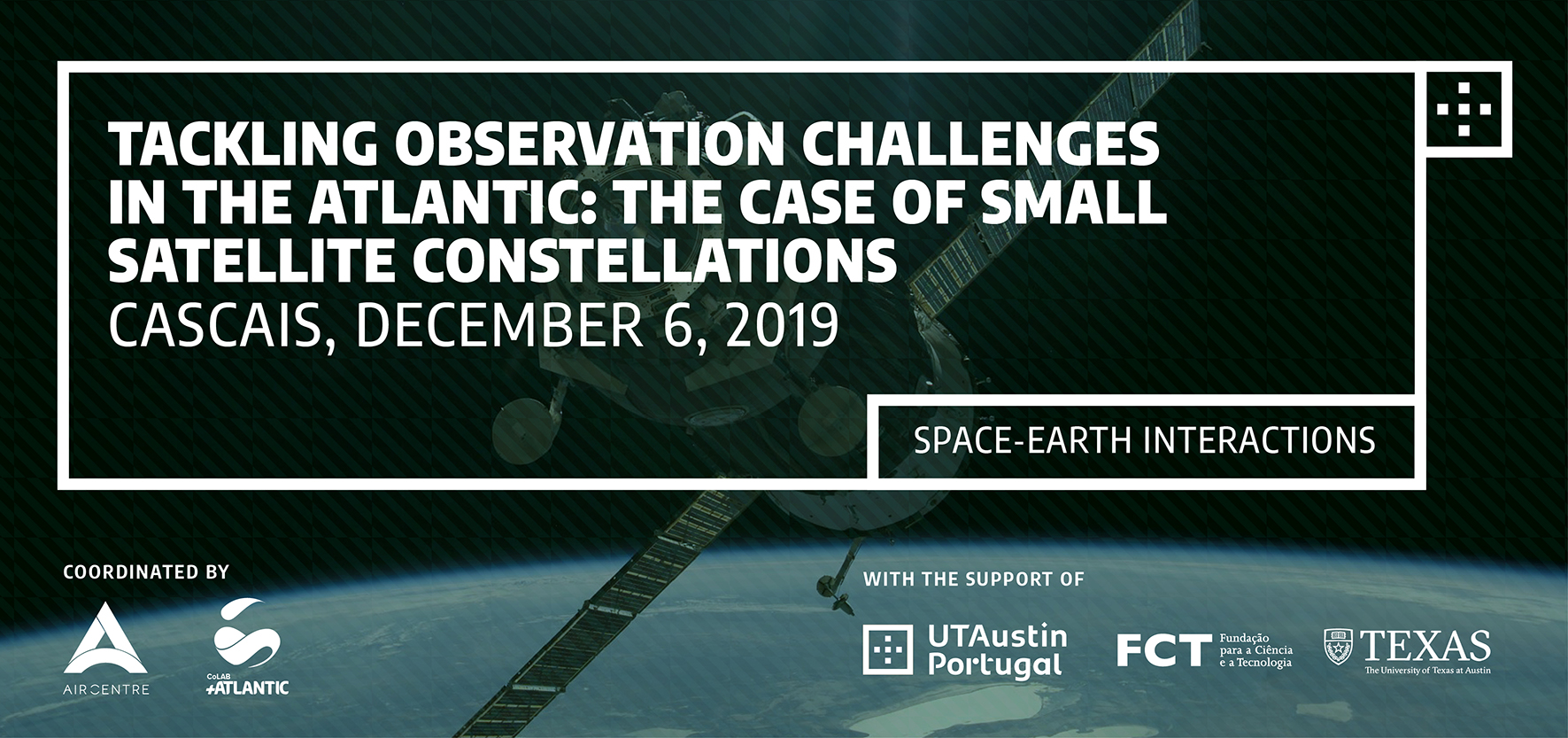
Remote sensing and, in particular, space-based observation systems are inherently global and persistent, making them a unique source of data extremely useful in remote areas without substantial in situ sensor coverage, such as Oceans. The rise of the NewSpace movement along with the desire to massify low-cost sensors and integrated information systems, and the potential demonstrated by the application of Artificial Intelligence and Big Data technologies to data management has led to unprecedented interest in small satellites (micro-, nano- and pico-) and their application to Earth Observation and interconnectedness. As of January 2019, there were, according to the OECD, 29 planned Cubesat-based constellations with at least 1 satellite already in orbit or with a launch planned until the end of the year. Following the Victoria Island Declaration of April 2019, the AIR Centre, +ATLANTIC and UT Austin Portugal organized a technical workshop to characterize current observation challenges in the Atlantic, map current efforts from Atlantic nations, and identify and discuss the characteristics of small satellite constellations and desired performance of sensors required to address these issues. Examples of precursor work and lessons learned so far were presented with a view towards setting up follow-up joint work on technical requirements /development.

Other Events