Networking Fridays
Networking Friday Special Thematic Session on Evolving and Sustaining Ocean Best Practices
Date
August 28, 2020, 1:00 PM - 3:00 PM UTC
AIR Centre Networking Fridays
More information about the Webinar series hereWatch the Recording
Watch on YouTube ↗Continuing with the Networking Fridays Webinar series, on August 28th, 1-3 PM UTC we held our 3rd 2-hour long Thematic Special Session. This session will focus on Evolving and Sustaining Ocean Best Practices. The oceans play a key role in global issues such as sustainability. As we move toward basin-scale ocean-observing, efficient and consistent monitoring and predicting of the planet’s ocean is essential and should include commonly-accepted methods leading to interoperability and reproducibility. The UNESCO IOC’s Ocean Best Practices System (OBPS) is a global, sustained system comprising technological solutions and community approaches to facilitate the use of commonly-accepted methods as well as support the development of ocean best practices. OBPS provides publication, discovery and access to relevant and tested methods, from observation to application, as well as a foundation for increasing capacity. The very knowledgeable speakers in this session discussed the evolution of best practices and the OBPS system. Agenda:
- Introduction, Frank Muller-Karger (moderator)
- BP and OBPS background, Jay Pearlman
- OBPS and demonstration, Pier Luigi Buttigieg
- Examples of best practices in use: benefits and challenges, Rachel Przeslawski and Juliet Hermes
- Looking forward to the Decade of Ocean Science and roles for BPs, Alison Clausen
- Summary, Frank Muller-Karger
References
- Pearlman J, Bushnell M, Coppola L, Karstensen J, Buttigieg PL, Pearlman F, Simpson P, et al. (2019) Evolving and Sustaining Ocean Best Practices and Standards for the Next Decade. Front. Mar. Sci. 6:277. doi: 10.3389/fmars.2019.00277
- P. L. Buttigieg, S. Caltagirone, P. Simpson and J. S Pearlman (2019) "The Ocean Best Practices System - Supporting a Transparent and Accessible Ocean," OCEANS 2019 MTS/IEEE SEATTLE, Seattle, WA, USA, pp. 1-5. doi: 10.23919/OCEANS40490.2019.8962680
- Australian marine sampling best practices ( second version)
- Ocean Best Practices System
Speakers

Jay Pearlman
BP and OBPS background
Pier Luigi Buttigieg
OBPS demonstration Dr Pier Luigi Buttigieg is an AWI data scientist with core expertise in 1) knowledge representation technologies (ontologies) applied to environmental science and sustainable development and 2) bio/ecoinformatics focused on the microbial ecology of the Arctic Ocean. He serves as technical co-lead of the UNESCO/IOC-IODE Ocean Best Practices System. In collaboration with UN Environment, he also leads the development and applications of the Sustainable Development Goals Interface Ontology (SDGIO) to better link data and knowledge to the UN Sustainable Development Agenda for 2030.
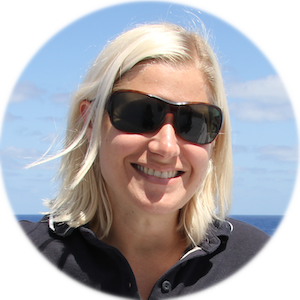
Rachel Przeslawski
Examples of best practices in use: benefits and challenges Dr. Rachel Przeslawski is a marine ecologist and the Director of the Discovery & Engagement program at Geoscience Australia. She has led over 130 collaborators to develop a suite of national best practices for sampling in Australia’s oceans, the second version of which was released online in July. Rachel is currently the President of the Australian Marine Sciences Association and the newsletter editor for the Ocean Best Practice System.
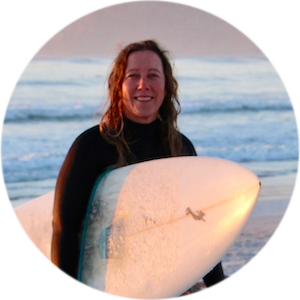
Juliet Hermes
Examples of best practices in use: benefits and challenges Dr. Juliet Hermes is the Manager of the South African Environmental Observation Network Marine Offshore Node, as well as an associate Professor at the University of Cape Town. She is leading the GOOS Observation Coordination Group Ocean Best Practices initiative as well as the GOOS best practices endorsement process.
Alison Clausen
Looking forward to the Decade of Ocean Science and roles for BPs Ms. Alison Clausen is a program specialist in the Marine Policy & Regional Coordination Section of UNESCO Intergovernmental Oceanographic Commission. She is supporting the development of the Decade of Ocean Science for Sustainable Development and is a focal point for formulation of the Implementation plan. Alison has professional experience working with donors, Governments, NGOs and private clients in climate change risk analyses and adaptation planning; environmental safeguards, management and monitoring; and natural resource management including protected area creation and management and sustainable value chains.
Moderator
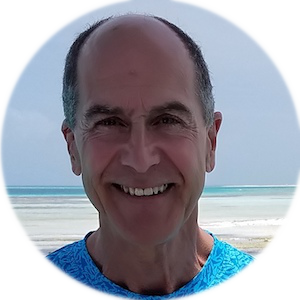
Frank Muller-Karger
Speakers
Jay Pearlman
Rachel Przeslawski
Juliet Hermes
Alison Clausen
Frank Muller-Karger