Networking Fridays
Networking Friday with GEO Blue Planet
Fecha
April 16, 2021, 1:00 PM - 2:00 PM UTC
AIR Centre Networking Fridays
Más información sobre la serie de Webinars aquíVer la Grabación
Ver en YouTube ↗
On April 16th, 2021, 1-2 PM UTC, Emily Smail, Executive Director of the GEO Blue Planet Initiative, and Audrey Hasson, Head of the GEO Blue Planet European Office, introduced the GEO Blue Planet initiative and showcased on-going success stories from 4 different thematic Working Groups. They highlighted how GEO Blue Planet identifies data and information gaps, provides network and coordination support and supports best practices covering a wide range of topics such as eutrophication, sargassum, marine litter and oil spill. The moderator was Leah Mupas Segui, Senior Associate with the Pew Charitable Trusts as part of their Preventing Ocean Plastics research team. GEO Blue Planet is a global network of ocean and coastal observer, social scientists and end-user representatives from a variety of stakeholder groups including international and regional organizations, NGOs, national institutes, universities and government agencies. GEO Blue Planet aims at advancing and exploiting synergies among the many observational programmes devoted to ocean and coastal waters, improving the engagement with a variety of stakeholders for enhancing the timeliness, quality and range of services deliveredand raising awareness of the societal benefits of ocean observations at the public and policy levels. Program:
- Opening remarks
- GEO Blue Planet General presentation
- Four success stories of GEO Blue planet Working Groups (WG):
- Transforming knowledge into information : The Sargassum WG
- Providing Indicators to answer user needs : The Eutrophication WG
- Delivering scientific reviews and Best Practices : The Marine Litter WG
- Identifying stakeholder needs : The Oil Spill WG
- Where GEO Blue Planet is heading
- Q&A
- Closing remarks
Relevant links:
Speakers
Emily Smail
Emily Smail is the Executive Director of the GEO Blue Planet Initiative and a Senior Faculty Specialist at the NOAA-University of Maryland Cooperative Institute for Climate and Satellites. She also serves as the co-chair of the GEO AquaWatch Initiative‘s outreach and user engagement working group. She specialize in utilizing science to support informed decision-making and the development of effective ocean, conservation, and development policies. Previously, Emily worked in informal science Education at the Waikiki Aquarium, policy at the United States Senate, and environmental consulting at ICF International. She received a B.S. in Biology from the Pennsylvania State University and a Ph.D. in Biology from the University of Southern California where her research focused on water quality and marine biogeochemistry.
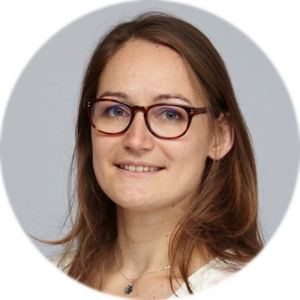
Audrey Hasson
Audrey is a the head of the GEO Blue Planet European Office, hosted by Mercator Ocean International as part of the EU4OceanObs project. She is a physical oceanographer by training interested in studying water masses using remote sensing and in situ observations. She holds a PhD from University of Toulouse and went on to work as a postdoctoral reseacher for 3 major space agencies.
Moderator
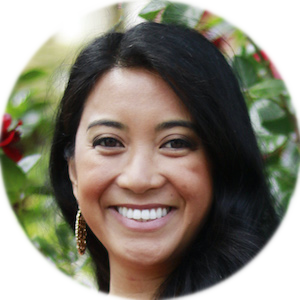
Leah Mupas Segui
Leah Mupas Segui is a Senior Associate with the Pew Charitable Trusts. As part of Pew's Preventing Ocean Plastics Program, Leah supports the program's research in identifying strategies to reduce ocean pollution. She was a 2020 Knauss Marine Policy Fellow for the GEO Blue Planet Initiative hosted by the National Oceanic and Atmospheric Administration Satellite Oceanography and Climatology Division. At GEO Blue Planet, Leah managed international partnerships that support global ocean and coastal policy frameworks and their use of Earth observations data in the global monitoring, mitigation, and management of marine pollution, disaster risk, and fisheries. Leah received her Ph.D. in Zoology from Oregon State University and her B.S. in Biology from San Diego State University. We will continue with the Networking Fridays during the next months. More information about future sessions as well as presentations and videos from previous sessions can be found here. Twitter Hashtag: #netfridays. Expect some very exciting afternoons, or mornings or evenings, depending on where you are… If you need any additional information please send an email to Jose Luiz Moutinho. Networking Friday with Argyro Kavvada (NASA), who reviewed innovative Earth observation solutions for the Sustainable Development Goals. This session was moderated by Samy Djavidnia. Networking Friday Special Thematic Session on Evolving and Sustaining Ocean Best Practices with Jay Pearlman, Pier Luigi Buttigieg, Rachel Przeslawski, Juliet Hermes, and Alison Clausen. this session was moderated by Frank Muller-Karger Networking Friday Special Session on Sargassum with Cesar Toro (IOCARIBE of IOC-UNESCO), Karima Degia (UWI), Sandra Ketelhake (AtlantOS, KDM), Isabel Sousa Pinto (CIIMAR, GEO MBON), and Leah Mupas Segui (GEO Blue Planet Initiative). The moderator was Emily Smail (NOAA, GEO Blue Planet Initiative).
Ponentes
Emily Smail
Audrey Hasson
Leah Mupas Segui